

Halal is a Practice, Not a Label
At Five Pillars Butchery, we believe our customers deserve more than a sticker on a package. They deserve transparency on how the animals were raised, how they are handled, and what happens in the room where slaughter takes place.
The following explains exactly what halal means, how we practice it, and why it matters that those two things are the same.

What halal means
The word halal comes from Arabic and means ‘permissible’ or ‘lawful'.’ In the context of food, it refers to meat that has been produced in accordance with Islamic law, which covers not just the act of slaughter, but the animal’s life, handling, and the intent of the person performing the slaughter.
Halal is often discussed as one or the other - either halal or not. In practice, there is significant variation in how halal standards are interpreted and applied, particularly at the commercial scale. Understanding that variation is essential to understanding how Five Pillars is different.

Core Requirements
The animal must be alive and healthy at the time of slaughter
The slaughter must be performed by a Muslim, a practicing person of faith
The name of Allah must be invoked at the moment of slaughter (Bismillah, Allahu Akbar)
The cut must sever the jugular veins, carotid arteries, and windpipe in a single motion
Blood must be fully drained from the carcass
The animal must not witness another animal being slaughtered
No pork or non-halal products may contact the meat at any stage

Beyond halal:
What Tayyib Means
In the Quran, Allah commands believers to eat what is halal and tayyib, permissible and good. Tayyib is often translated as ‘wholesome’ or ‘pure,’ and it encompasses how an animal was treated throughout its life, not just how it died.
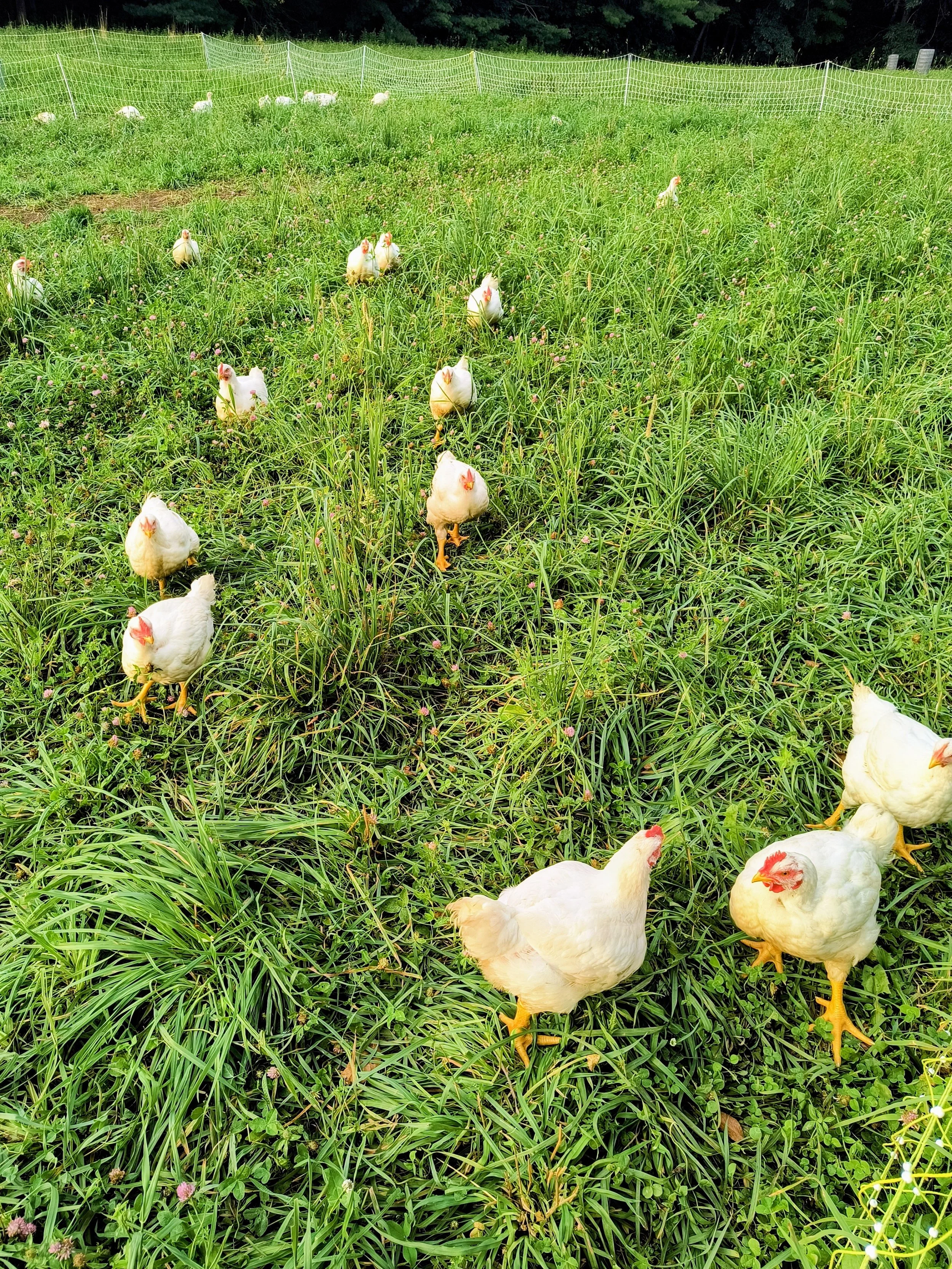
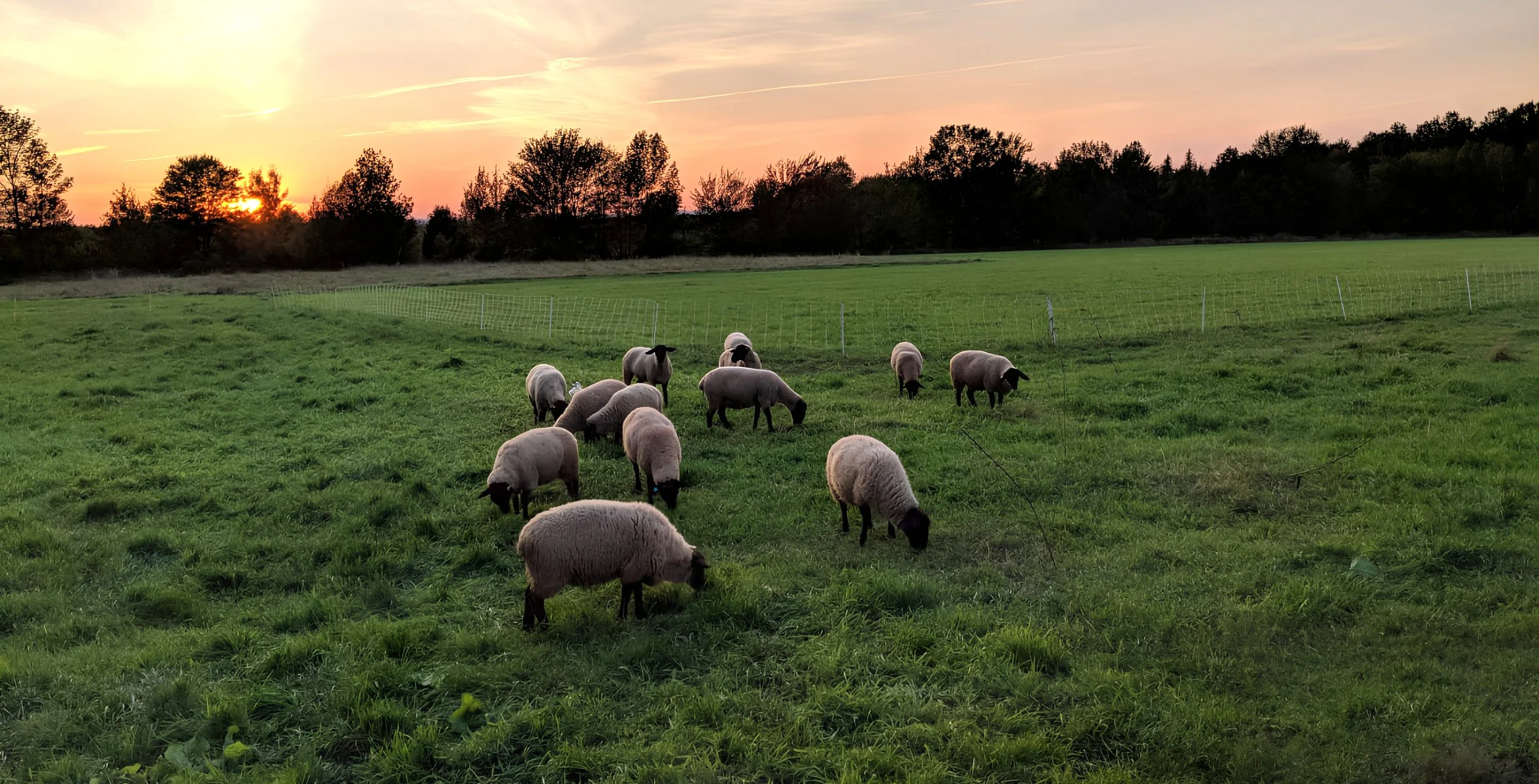
At Five Pillars, we take tayyib seriously. We work with farms that raise livestock in pasture-based systems, where animals live with dignity before slaughter. We believe that humane treatment is not just a marketing point but an obligation.
What halal means at Five Pillars
How We
Practice Halal
Every animal processed at Five Pillars Butchery is hand-slaughtered by a trained Muslim slaughterman. The proper blessing is recited at the moment of each slaughter; not once at the start of a shift, not via recording, but individually, for each animal.
This is NOT the industry standard. It is the Islamic standard, and the only standard we operate by.
Our slaughter process, step by step
Animals arrive from partner farms and are allowed to rest before slaughter
Each animal is handled calmly and moved individually to the slaughter area
The Muslim slaughterman recites Bismillah, Allahu Akbar before each cut
A single, swift cut severs the jugular veins, carotid arteries, and windpipe
The animal is allowed to bleed out fully, and the blood is drained completely from the carcass
The carcass is inspected by our USDA-certified inspector before processing continues
All processing areas are dedicated halal, there is no cross-contamination with non-halal product

Halal vs Conventional
What makes us different from conventional halal processors?
Not all halal is the same. As the market for halal meat grows, so does the gap between genuine halal practice and commercial convenience. Here are the distinctions that matter most:
-
Many large commercial processors use mechanical slaughter. Meaning they have automated blades that operate at high speed without individualized blessing. Some certifying bodies permit this; many Islamic scholars do not.
At Five Pillars Butchery, every animal is hand-slaughtered by a Muslim slaughterman with an indivdual recitation.
-
Some operations use a recorded recitation played over a speaker system rather than a blessing said at the moment of each slaughter. The scholarly consensus among traditional Muslim jurists holds that this does not meet the requirements for halal slaughter. We recite individually every time.
-
Electrical stunning before slaughter is common in large processing operations and permitted by some halal certifying bodies under certain conditions. Many Muslim consumers and scholars reject stunning as incompatible with authentic halal requirements. We do not use pre-slaughter stunning.
-
Halal certification is not uniformly regulated in the United States. Standards vary by certifying body, and oversight of large commercial operations can be limited. Five Pillars operates a USDA-inspected facility with on-site halal oversight. We welcome questions about our certification and practices.
FAQs on
our Practice
-
Yes. Five Pillars Butchery operates a USDA-inspected halal facility with Islamic oversight of our slaughter practices. We are committed to full transparency about our certifications. Please contact us for documentation.
-
No. Five Pillars Butchery does not use electrical or mechanical stunning prior to slaughter. Every animal is slaughtered by hand with an individual recitation.
-
Slaughter is performed by trained Muslim slaughtermen. The proper blessing, Bismillah, Allahu Akbar, is recited individually for each animal at the moment of slaughter.
-
No, every animal processed at Five Pillars is hand-slaughtered. We do not use automated or mechanical slaughter equipment.
-
Five Pillars Butchery sources livestock from local Maine and New England farms. We prioritize farms with pasture-based raising practices that align with both humane standards and Islamic values around the treatment of animals.
-
We process beef cattle, lamb, and goat. Our USDA-inspected facility is designed to handle these species at regional scale. Contact us for current availability and scheduling.
-
Yes. Five Pillars will provide halal compliance documentation for institutional buyers, including schools, hospitals, and food service programs. This documentation is available upon request and can be provided as part of procurement agreements.
-
Zabiha refers specially to the Islamic method of hand slaughter with the proper blessing. All Zabiha is halal, but not all halal-labeled products are Zabiha, as some halal certifications permit mechanical slaughter or stunned animals. At Five Pillars Butchery, all our meat is Zabiha halal: hand-slaughtered with individual blessing.
-
Yes. We offer Qurbani (Eid al-Adha sacrifice) and Aqeeqah (birth celebration slaughter) services for Muslim families. Contact us for scheduling, availability, and pricing during the relevant seasons.
Our Certification and OVersight
Five Pillars Butchery operates a USDA-inspected halal slaughter and processing facility. USDA inspection ensures our facility meets federal food safety standards, including hygiene, sanitation, and proper handling, at every step of production.
In addition to USDA inspection, our halal practices are overseen by qualified Islamic oversight. We are committed to maintaining genuine standards and to communicating openly about our certifications.